
Online service
Service hours: Monday to Saturday 9:00-18:00
Please choose online customer service:
Please choose online customer service:
0755-83483730 / 23823366
Title: The Market Outlook for Ceramic Capacitors: A Comprehensive Analysis
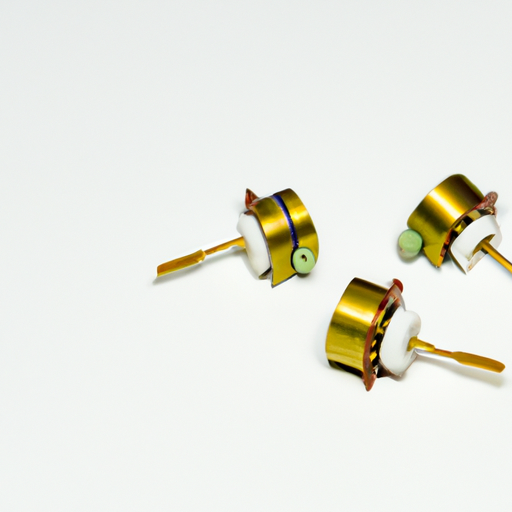
1. Overview of Ceramic Capacitors (200 words) Ceramic capacitors are widely used due to their compact size, high capacitance values, and excellent stability. They are made from ceramic materials, such as barium titanate or lead zirconate titanate, which offer high dielectric constants. These capacitors find applications in power supply circuits, noise filtering, decoupling, and timing circuits.
2. Current Market Scenario (200 words) The global ceramic capacitor market has witnessed significant growth in recent years, driven by the increasing demand for consumer electronics, automotive electronics, and industrial automation. The market is expected to reach a value of $XX billion by 2025, growing at a CAGR of XX% during the forecast period.
3. Growth Drivers (300 words) a. Consumer Electronics: The proliferation of smartphones, tablets, wearables, and IoT devices is fueling the demand for ceramic capacitors. The miniaturization trend in consumer electronics requires smaller and more efficient capacitors, which ceramics can provide.
b. Automotive Electronics: The automotive industry is experiencing a rapid shift towards electric vehicles (EVs) and autonomous driving technologies. Ceramic capacitors are crucial for EV power electronics, battery management systems, and advanced driver-assistance systems (ADAS).
c. Industrial Automation: The increasing adoption of automation in industries such as manufacturing, energy, and healthcare is driving the demand for ceramic capacitors. These capacitors are used in motor drives, power inverters, and control systems.
d. Renewable Energy: The global focus on clean energy sources has led to the growth of the renewable energy sector. Ceramic capacitors are essential components in solar inverters, wind turbines, and energy storage systems.
4. Challenges and Opportunities (300 words) a. Supply Chain Disruptions: The ceramic capacitor market faces challenges due to supply chain disruptions caused by geopolitical tensions, trade wars, and the COVID-19 pandemic. These disruptions can lead to price fluctuations and delays in product availability.
b. Environmental Regulations: The industry is subject to stringent environmental regulations, particularly regarding the use of lead-based materials. Capacitor manufacturers are investing in research and development to develop lead-free alternatives.
c. Technological Advancements: The market is witnessing advancements in ceramic capacitor technology, such as higher capacitance values, improved temperature stability, and enhanced reliability. These advancements open up opportunities for new applications and market growth.
d. Emerging Markets: The demand for ceramic capacitors is growing in emerging markets, including Asia-Pacific and Latin America, due to the expanding consumer electronics and automotive industries. Manufacturers are focusing on these regions to tap into the potential market opportunities.
5. Future Outlook (200 words) The future of the ceramic capacitor market looks promising, driven by the increasing adoption of advanced technologies like 5G, Internet of Things (IoT), and electric vehicles. The market is expected to witness innovations in materials, design, and manufacturing processes to meet the evolving requirements of various industries.
Conclusion (100 words) In conclusion, the market outlook for ceramic capacitors is highly positive, with significant growth expected in the coming years. The increasing demand for consumer electronics, automotive electronics, industrial automation, and renewable energy applications will continue to drive the market. However, challenges related to supply chain disruptions and environmental regulations need to be addressed. Technological advancements and the exploration of emerging markets present opportunities for manufacturers to expand their market presence. Overall, the ceramic capacitor market is poised for steady growth and innovation in the foreseeable future.