
Online service
Service hours: Monday to Saturday 9:00-18:00
Please choose online customer service:
Please choose online customer service:
0755-83483730 / 23823366
Title: Exploring the Parameters of Mainstream Wireless Radio Frequency Recognition Product Line
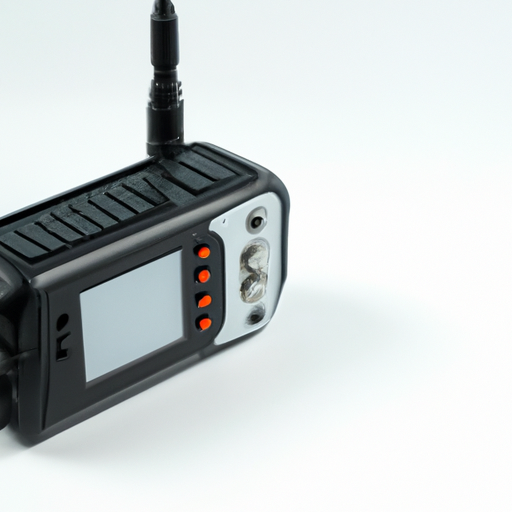
Wireless radio frequency recognition technology has become an integral part of our daily lives, enabling seamless communication and connectivity. From smartphones to smart home devices, this technology has revolutionized the way we interact with our surroundings. In this article, we will delve into the parameters that define mainstream wireless radio frequency recognition product lines, exploring their features, applications, and future prospects.
1. Frequency Range: One of the primary parameters of wireless radio frequency recognition product lines is the frequency range they operate in. These products utilize various frequency bands, such as low-frequency (LF), high-frequency (HF), ultra-high-frequency (UHF), and microwave frequencies. Each frequency range offers distinct advantages and is suitable for specific applications. For instance, LF is commonly used for access control systems, while UHF is preferred for inventory management and supply chain applications.
2. Communication Protocols: Wireless radio frequency recognition product lines employ different communication protocols to establish seamless connectivity. The most common protocols include RFID (Radio Frequency Identification), NFC (Near Field Communication), and Bluetooth. RFID is widely used for asset tracking and inventory management, while NFC enables contactless payments and data transfer. Bluetooth, on the other hand, facilitates wireless communication between devices over short distances.
3. Tag Types: Wireless radio frequency recognition product lines consist of various tag types, each designed for specific applications. Passive tags, which do not require a power source, are commonly used for asset tracking and inventory management. Active tags, equipped with a power source, offer extended read ranges and are suitable for real-time location tracking. Semi-passive tags combine the benefits of both passive and active tags, making them ideal for applications requiring longer battery life.
4. Read Range: The read range of wireless radio frequency recognition product lines is an essential parameter that determines their effectiveness in different scenarios. The read range varies depending on the frequency range and the type of tag used. LF and HF tags typically have shorter read ranges, ranging from a few centimeters to a few meters. UHF tags, on the other hand, can achieve read ranges of up to several meters, making them suitable for applications such as retail inventory management.
5. Data Storage Capacity: Another crucial parameter of wireless radio frequency recognition product lines is their data storage capacity. Tags can store varying amounts of data, ranging from a few kilobytes to several megabytes. This capacity determines the type and amount of information that can be stored on the tag, such as product details, maintenance records, or user-specific data. Advanced tags may also support encryption and security features to protect sensitive information.
6. Application Areas: Wireless radio frequency recognition product lines find applications in a wide range of industries and sectors. Some common application areas include supply chain management, retail, healthcare, transportation, and access control systems. In supply chain management, these products enable real-time tracking of goods, reducing inventory errors and improving efficiency. In healthcare, they facilitate patient identification and medication management. Access control systems utilize wireless radio frequency recognition for secure entry and exit management.
7. Future Prospects: The future of wireless radio frequency recognition product lines looks promising, with advancements in technology and increasing adoption across industries. The integration of artificial intelligence and machine learning algorithms can enhance the capabilities of these products, enabling predictive analytics and intelligent decision-making. Additionally, the miniaturization of tags and the development of flexible and printable electronics can open up new possibilities for their application in wearable devices and smart textiles.
Conclusion:
Wireless radio frequency recognition product lines have become an integral part of our interconnected world. The parameters discussed in this article, including frequency range, communication protocols, tag types, read range, data storage capacity, and application areas, define the capabilities and versatility of these products. As technology continues to evolve, we can expect further advancements in wireless radio frequency recognition, enabling innovative applications and enhancing our daily lives.