
Online service
Service hours: Monday to Saturday 9:00-18:00
Please choose online customer service:
Please choose online customer service:
0755-83483730 / 23823366
Title: Embedded Computers: Revolutionizing the World of Technology
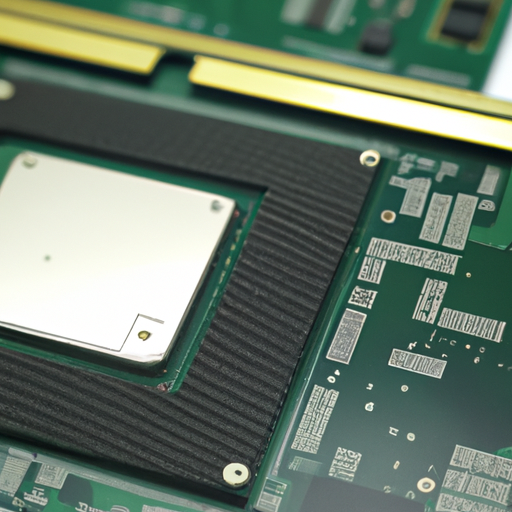
1. Understanding Embedded Computers (200 words) Embedded computers, also known as embedded systems, are specialized computer systems designed to perform specific functions within larger systems or products. Unlike general-purpose computers, such as desktops or laptops, embedded computers are purpose-built for a particular task or set of tasks. They are typically smaller in size, have limited processing power, and are optimized for efficiency and reliability.
2. Applications of Embedded Computers (300 words) Embedded computers find applications in various industries, ranging from consumer electronics to healthcare, automotive, aerospace, and industrial automation. Let's explore some of the key areas where embedded computers are making a significant impact:
2.1 Consumer Electronics: Embedded computers power everyday devices like smartphones, smartwatches, fitness trackers, and home automation systems. These devices rely on embedded systems to provide seamless user experiences and perform complex tasks efficiently.
2.2 Automotive Industry: Modern vehicles are equipped with numerous embedded systems, controlling everything from engine management and infotainment systems to advanced driver-assistance systems (ADAS) and autonomous driving capabilities. Embedded computers play a crucial role in enhancing vehicle safety, performance, and connectivity.
2.3 Healthcare: Embedded computers are extensively used in medical devices, such as pacemakers, insulin pumps, and diagnostic equipment. These devices rely on embedded systems to monitor vital signs, deliver precise doses of medication, and provide accurate diagnoses.
2.4 Industrial Automation: Embedded computers are the backbone of industrial automation systems, controlling machinery, robots, and assembly lines. They enable efficient production processes, real-time monitoring, and predictive maintenance, leading to increased productivity and reduced downtime.
3. Advantages of Embedded Computers (300 words) Embedded computers offer several advantages over traditional general-purpose computers. Let's delve into some of the key benefits:
3.1 Size and Portability: Embedded computers are compact and lightweight, making them ideal for integration into small devices or systems. Their small form factor allows for easy installation and portability.
3.2 Efficiency and Reliability: Embedded systems are designed to perform specific tasks efficiently, without unnecessary overhead. They are optimized for power consumption, ensuring longer battery life in portable devices. Moreover, embedded computers are built to withstand harsh environments, making them highly reliable.
3.3 Cost-Effectiveness: Embedded systems are often more cost-effective than general-purpose computers. They require fewer components, have lower power requirements, and can be mass-produced, resulting in reduced manufacturing costs.
3.4 Real-Time Processing: Many embedded systems require real-time processing capabilities, where immediate responses are critical. Embedded computers are designed to handle time-sensitive tasks, ensuring quick and accurate responses.
4. Future Prospects and Challenges (300 words) The future of embedded computers looks promising, with advancements in technology opening up new possibilities. However, there are also challenges that need to be addressed. Let's explore both aspects:
4.1 Internet of Things (IoT): The proliferation of IoT devices is driving the demand for embedded systems. As more devices become interconnected, embedded computers will play a crucial role in collecting, processing, and transmitting data, enabling smart homes, cities, and industries.
4.2 Artificial Intelligence (AI): The integration of AI with embedded systems is another exciting prospect. AI-powered embedded computers can enhance decision-making capabilities, enable autonomous systems, and improve overall efficiency.
4.3 Security and Privacy: With the increasing connectivity of embedded systems, security and privacy concerns become paramount. Protecting embedded computers from cyber threats and ensuring data privacy will be crucial for their widespread adoption.
4.4 Skill Development: As embedded systems become more complex, there is a need for skilled professionals who can design, develop, and maintain these systems. Investing in education and training programs will be essential to meet the growing demand for embedded system engineers.
Conclusion (100 words) Embedded computers have become an indispensable part of our lives, driving innovation and transforming various industries. From consumer electronics to healthcare and industrial automation, these purpose-built systems offer numerous advantages, including efficiency, reliability, and cost-effectiveness. As technology continues to evolve, embedded computers will play a pivotal role in shaping the future, enabling IoT, AI, and other groundbreaking advancements. However, addressing security concerns and fostering skill development will be crucial to fully harness the potential of embedded systems.