
Online service
Service hours: Monday to Saturday 9:00-18:00
Please choose online customer service:
Please choose online customer service:
0755-83483730 / 23823366
Special resistors are a crucial component in various electronic devices and systems, providing precise resistance values to control the flow of electric current. These resistors are designed to meet specific requirements, such as high power handling capabilities, high precision, or resistance to extreme environmental conditions. To meet these demands, special resistors undergo unique production processes that differ from standard resistor manufacturing. In this article, we will explore the common production processes for special resistors and how they are tailored to meet the needs of different applications.
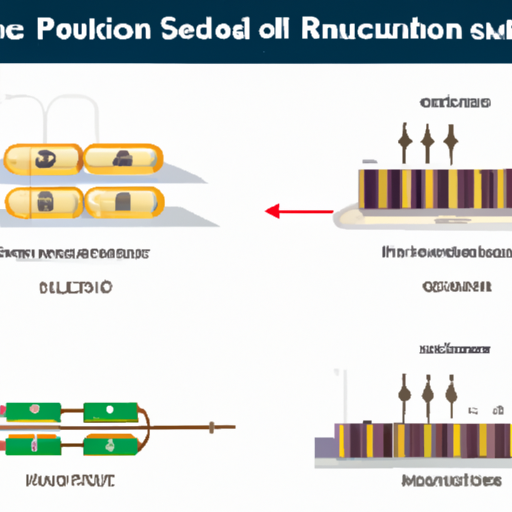
The first step in the production of special resistors is the design and specification phase. This involves understanding the requirements of the application and determining the necessary resistance value, power rating, tolerance, and other specifications. Special resistors are often custom-designed to meet the specific needs of a particular project, so careful consideration is given to factors such as temperature range, environmental conditions, and size constraints.
During the design phase, engineers may use computer-aided design (CAD) software to create detailed drawings and simulations of the resistor. This allows them to optimize the design for performance and efficiency before moving on to the production phase.
2. Material Selection
Once the design is finalized, the next step is to select the materials for the special resistor. The choice of materials is critical to the performance and reliability of the resistor, especially in high-power or high-precision applications. Common materials used in special resistors include metal alloys, ceramics, and carbon composites.
Metal alloys such as nichrome or manganin are often used for high-power resistors due to their excellent heat resistance and stability. Ceramics are preferred for resistors that require high precision and stability over a wide temperature range. Carbon composites are used in resistors that need to withstand high voltages and harsh environmental conditions.
3. Manufacturing Processes
Special resistors are manufactured using a variety of processes, depending on the type and specifications of the resistor. Some common manufacturing processes for special resistors include:
- Thin Film Deposition: Thin film resistors are created by depositing a thin layer of resistive material onto a substrate using techniques such as sputtering or evaporation. This process allows for precise control of the resistance value and tolerance.
- Wirewound: Wirewound resistors are made by winding a resistive wire around a ceramic or fiberglass core. This process is used for high-power resistors that require excellent heat dissipation and stability.
- Thick Film Printing: Thick film resistors are created by printing a resistive paste onto a substrate and then firing it at high temperatures to form a solid film. This process is cost-effective and suitable for high-volume production.
- Carbon Composition: Carbon composition resistors are made by mixing carbon particles with a binder and then compressing the mixture into a cylindrical shape. This process is used for resistors that require high voltage handling capabilities.
4. Testing and Quality Control
Once the special resistors are manufactured, they undergo rigorous testing to ensure they meet the specified requirements. Testing may include measuring the resistance value, tolerance, temperature coefficient, and power handling capabilities of the resistor. Special resistors are often subjected to environmental tests such as temperature cycling, humidity exposure, and vibration testing to ensure their reliability in real-world conditions.
Quality control is a critical aspect of special resistor production, as any defects or inconsistencies can lead to performance issues or failure in the field. Manufacturers use advanced testing equipment and techniques to verify the quality of each resistor before it is shipped to the customer.
5. Customization and Prototyping
Special resistors are often custom-designed to meet the unique requirements of a particular application. Manufacturers work closely with customers to understand their needs and develop a resistor that meets those requirements. Prototyping is an essential step in the production of special resistors, allowing engineers to test the design and performance of the resistor before full-scale production.
During the prototyping phase, engineers may make adjustments to the design or materials to optimize the performance of the resistor. Once the prototype is approved, it can be used as a template for mass production.
In conclusion, special resistors play a crucial role in a wide range of electronic applications, from aerospace and defense to medical devices and industrial equipment. The production processes for special resistors are tailored to meet the specific requirements of each application, ensuring high performance, reliability, and durability. By understanding the design, material selection, manufacturing processes, testing, and customization involved in special resistor production, manufacturers can deliver high-quality resistors that meet the needs of their customers.