
Online service
Service hours: Monday to Saturday 9:00-18:00
Please choose online customer service:
Please choose online customer service:
0755-83483730 / 23823366
Capacitors are essential components in electronic devices, used to store and release electrical energy. They come in various shapes and sizes, and are used in a wide range of applications, from power supplies and audio equipment to computers and mobile phones. The production process for capacitors involves several steps, from the selection of materials to the final testing of the finished product. In this article, we will explore the mainstream capacitor network production process in detail.
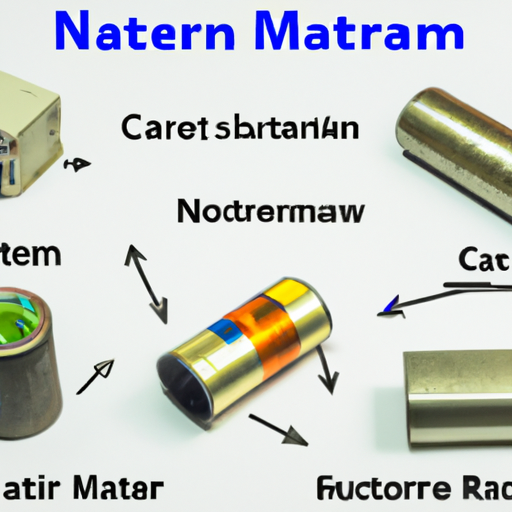
The first step in the production process is the selection of materials. Capacitors are typically made of two conductive plates separated by a dielectric material. The conductive plates are usually made of metal, such as aluminum or tantalum, while the dielectric material can be made of ceramic, plastic, or paper. The choice of materials depends on the desired capacitance, voltage rating, and other specifications of the capacitor.
2. Electrode preparation
Once the materials are selected, the next step is to prepare the electrodes. The conductive plates are usually made by depositing a thin layer of metal onto a substrate, using techniques such as sputtering or electroplating. The electrodes are then cut into the desired shape and size, and any excess material is removed.
3. Dielectric deposition
After the electrodes are prepared, the dielectric material is deposited onto one of the electrodes. This can be done using techniques such as vapor deposition, spin coating, or screen printing. The thickness of the dielectric layer is critical, as it determines the capacitance of the capacitor.
4. Assembly
Once the electrodes and dielectric material are prepared, they are assembled together to form the capacitor. The electrodes are placed facing each other, with the dielectric material sandwiched between them. The assembly is then sealed in a casing to protect it from external factors such as moisture and dust.
5. Impregnation
Some capacitors require impregnation with a liquid electrolyte to improve their performance. This is typically done by immersing the capacitor in the electrolyte and allowing it to soak for a certain period of time. The impregnation process can improve the capacitance, voltage rating, and temperature stability of the capacitor.
6. Testing
Once the capacitor is assembled and impregnated, it undergoes rigorous testing to ensure that it meets the required specifications. This includes testing for capacitance, voltage rating, leakage current, and temperature stability. Any capacitors that do not meet the specifications are rejected and sent back for rework or disposal.
7. Packaging
After passing the testing phase, the capacitors are packaged and labeled for shipment. The packaging is designed to protect the capacitors during transportation and storage, and may include features such as anti-static packaging or moisture-proof seals.
8. Quality control
Throughout the production process, quality control measures are in place to ensure that the capacitors meet the required standards. This includes regular inspections of materials, equipment, and finished products, as well as audits of the production process. Any deviations from the standards are identified and corrected to prevent defects in the final product.
In conclusion, the mainstream capacitor network production process involves several steps, from material selection to final testing and packaging. Each step is critical to ensuring the quality and performance of the capacitors, which are essential components in electronic devices. By following a systematic production process and implementing strict quality control measures, manufacturers can produce capacitors that meet the required specifications and perform reliably in a wide range of applications.