
Online service
Service hours: Monday to Saturday 9:00-18:00
Please choose online customer service:
Please choose online customer service:
0755-83483730 / 23823366
Tantalum capacitors, also known as 钽 capacitors, are widely used in electronic devices due to their high capacitance values, stability, and reliability. The production process for tantalum capacitors involves several steps to ensure the quality and performance of the final product. In this article, we will discuss the common production processes for 钽 capacitors.
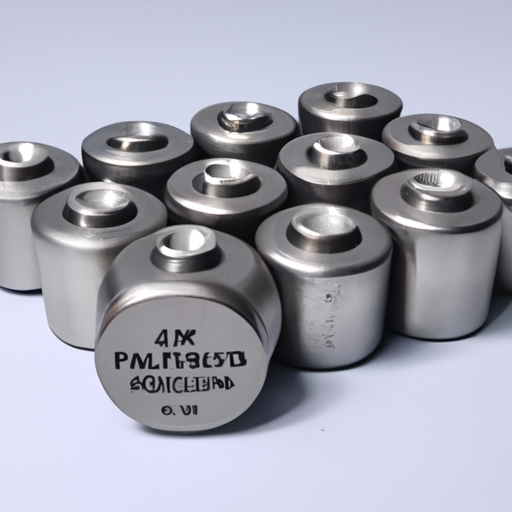
The first step in the production of 钽 capacitors is the mining and processing of tantalum ore. Tantalum is a rare metal that is found in a few locations around the world. The ore is typically extracted through open-pit mining and then processed to extract the tantalum metal. The tantalum metal is then purified and processed into a powder form that is used in the production of capacitors.
2. Powder preparation:
The tantalum powder is then mixed with other materials, such as manganese dioxide, to form a slurry. This slurry is then dried and pressed into a pellet shape. The pellet is then sintered at high temperatures to form a solid tantalum capacitor element.
3. Electrolyte preparation:
The next step in the production process is the preparation of the electrolyte solution. The electrolyte is typically a liquid or gel that is used to separate the tantalum powder from the cathode material. The electrolyte is mixed with other materials, such as sulfuric acid, to form a solution that is then applied to the tantalum capacitor element.
4. Cathode assembly:
The tantalum capacitor element is then assembled with the cathode material, typically made of a conductive material such as silver or graphite. The cathode is attached to the tantalum element using a conductive adhesive or solder. The assembly is then encapsulated in a protective casing to protect the capacitor from external elements.
5. Testing and quality control:
Once the capacitor is assembled, it undergoes rigorous testing to ensure that it meets the required specifications and performance standards. The capacitor is tested for capacitance, leakage current, and voltage rating. Any capacitors that do not meet the required standards are rejected and sent back for rework or disposal.
6. Packaging and shipping:
After passing the quality control tests, the 钽 capacitors are packaged and labeled for shipping. The capacitors are typically packaged in reels or trays for easy handling and storage. They are then shipped to electronic manufacturers for use in various electronic devices.
In conclusion, the production process for 钽 capacitors involves several steps, including tantalum ore mining and processing, powder preparation, electrolyte preparation, cathode assembly, testing, and packaging. Each step is crucial in ensuring the quality and performance of the final product. Tantalum capacitors are essential components in electronic devices, and their production process plays a significant role in meeting the demand for high-quality capacitors in the electronics industry.