
Online service
Service hours: Monday to Saturday 9:00-18:00
Please choose online customer service:
Please choose online customer service:
0755-83483730 / 23823366
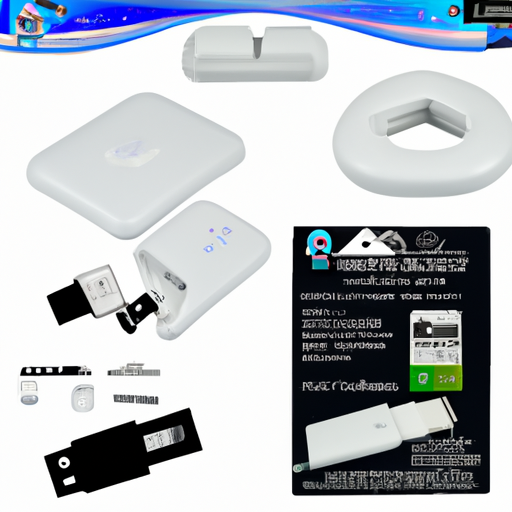
In the modern electronics industry, Unclassified Components refer to electronic components that have not been clearly classified. These components usually have wide application potential, covering multiple fields from consumer electronics to industrial equipment, automotive electronics, and more. With the continuous advancement of technology and changes in market demand, the purchasing price of Unclassified Components has become an important factor for cost control and product competitiveness for businesses. This article will delve into the latest purchasing prices of Unclassified Components, discussing their market status, characteristics, influencing factors, and future trends to provide insights for businesses in their purchasing decisions.
In recent years, the market demand for Unclassified Components has been steadily increasing. With the rapid development of emerging technologies such as the Internet of Things (IoT), Artificial Intelligence (AI), and 5G, electronic products are becoming increasingly complex, requiring higher performance and adaptability from components. Unclassified Components, due to their flexibility and diversity, have become an important choice to meet these demands.
Unclassified Components are widely used in multiple fields, including:
Consumer Electronics: Such as smartphones, tablets, smart home devices, etc.
Industrial Equipment: Used in automation control, sensors, and monitoring systems.
Automotive Electronics: Playing a crucial role in electric vehicles and smart driving systems.
The relationship between market supply and demand is influenced by various factors, including:
Technological Advancements: The emergence of new technologies drives the replacement of components, increasing the market demand for new types of Unclassified Components.
Policy Changes: Changes in environmental regulations and industry standards prompt companies to seek components that comply with the new standards.
Global Economic Situation: Economic fluctuations may affect companies' procurement budgets and market demand.
The latest Unclassified Components are constantly innovating in technology, mainly in the following aspects:
Smaller Size: As electronic products move towards miniaturization and lightweight design, component sizes are also shrinking.
Higher Performance: New components typically have higher operating frequencies and lower power consumption, meeting the demands of high-performance applications.
Unclassified Components are designed with strong adaptability, making them suitable for a wide range of scenarios. This flexibility allows businesses to better respond to market changes during product design.
With the increasing focus on environmental protection and sustainable development globally, the latest Unclassified Components are paying more attention to environmental friendliness and energy efficiency in their design and production processes, complying with the latest environmental standards and helping businesses reduce their carbon footprint.
The purchasing price of Unclassified Components is directly influenced by production costs. Production costs mainly include raw material prices, manufacturing processes, and labor costs. Fluctuations in raw material prices will directly impact the purchasing prices of components.
Price comparison of similar products in the market is also an important factor influencing purchasing prices. With increased competition, businesses need to monitor the price trends of similar products to make more competitive purchasing decisions.
Effective supply chain management can reduce procurement costs. Optimization of logistics, inventory management, and supplier relationships can help businesses obtain better prices and services during the procurement process.
The scale of purchasing significantly impacts prices. Generally, bulk purchasing can enjoy lower unit prices, so businesses should consider economies of scale in purchasing to reduce overall procurement costs.
According to market research data, the prices of Unclassified Components have shown some volatility in recent years. Influenced by factors such as raw material prices, market demand, and technological advancements, prices have fluctuated over different time periods.
Experts predict that with continuous technological advancements and changes in market demand, the prices of Unclassified Components may exhibit the following trends in the future:
Steady Growth: With the application of new technologies, component performance and functionality will continue to improve, leading to a gradual increase in prices.
Price Differentiation: Price differences among different brands and models of components will further widen, requiring businesses to pay more attention to cost-effectiveness during procurement.
When purchasing Unclassified Components, businesses should compare prices of different brands and models to choose the most cost-effective products. Price differences among major brands in the market may impact businesses' procurement decisions.
Choosing reputable suppliers is key to successful procurement. When selecting suppliers, businesses should consider factors such as delivery times, after-sales service, and technical support to ensure smooth procurement processes.
Businesses can adopt different procurement strategies when purchasing Unclassified Components, such as centralized procurement and decentralized procurement. Centralized procurement can enhance bargaining power, while decentralized procurement can help mitigate risks.
Price negotiation is a crucial step in the procurement process to secure better prices. Businesses should master negotiation skills such as understanding market trends, clarifying procurement needs, and flexibly responding to quotes to achieve better procurement conditions.
A well-known electronics company successfully reduced the procurement costs of Unclassified Components through centralized procurement and long-term partnerships. The company established strategic partnerships with multiple suppliers, ensuring a stable supply chain and high-quality after-sales service.
A startup company, due to lack of market research and price comparisons, incurred high procurement costs for Unclassified Components, affecting the competitiveness of its products in the market. This case serves as a reminder for businesses to fully understand market dynamics and make adequate preparations during procurement.
The purchasing prices of Unclassified Components have a significant impact on businesses' cost control and market competitiveness. Businesses should focus on market status, price trends, and procurement strategies in their purchasing decisions to ensure a competitive edge in the market. By selecting the right suppliers, optimizing procurement strategies, and mastering price negotiation skills, businesses can effectively reduce procurement costs and enhance the market competitiveness of their products.
- Market Research Reports
- Industry Analysis Articles
- Relevant Technical Literature
In the rapidly changing electronics industry, businesses must continuously monitor market dynamics and technological developments to make informed decisions in procurement. The procurement of Unclassified Components is not only about costs but also about the future development of the business. Through effective procurement management, businesses can stand strong in the competitive market.