
Online service
Service hours: Monday to Saturday 9:00-18:00
Please choose online customer service:
Please choose online customer service:
0755-83483730 / 23823366
Choosing the right spot for industrial automation and control is a crucial decision that can significantly impact the efficiency and productivity of a manufacturing facility. With advancements in technology and the increasing demand for automation, it is essential to carefully consider various factors before making a decision. In this article, we will discuss the key considerations that can help you choose the ideal spot for industrial automation and control.
2. Space Availability: Evaluate the available space in your facility to determine the feasibility of implementing automation and control systems. Industrial automation often requires additional equipment, such as robotic arms, conveyors, and sensors. Ensure that you have enough space to accommodate these systems without disrupting the existing workflow or compromising safety regulations.
3. Integration with Existing Systems: Consider the compatibility of the automation and control systems with your existing infrastructure. It is essential to choose a solution that seamlessly integrates with your current machinery, software, and communication systems. This integration will ensure smooth operations and minimize downtime during the implementation process.
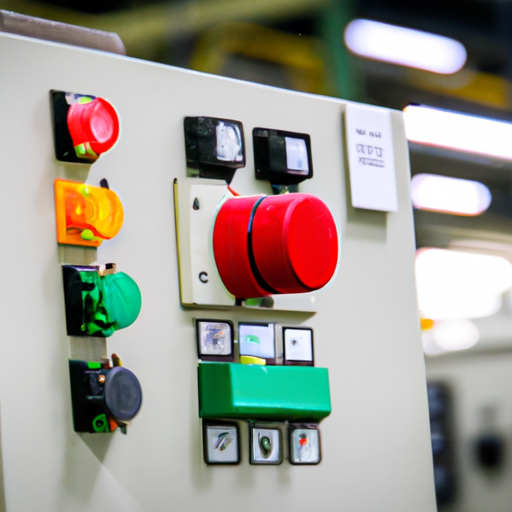
4. Safety Considerations: Industrial automation and control systems should prioritize the safety of workers and the facility. Evaluate the potential risks associated with the chosen spot for automation. Ensure that safety measures, such as emergency stop buttons, safety barriers, and sensors, are in place to protect employees and prevent accidents. Compliance with safety regulations is crucial to avoid legal issues and maintain a safe working environment.
5. Accessibility and Maintenance: Consider the accessibility of the chosen spot for maintenance and repairs. Automation systems may require regular maintenance, calibration, and troubleshooting. Ensure that the spot allows easy access for technicians to perform these tasks efficiently. Additionally, consider the availability of spare parts and technical support to minimize downtime in case of system failures.
6. Scalability and Future Expansion: Choose a spot that allows for future scalability and expansion of your automation and control systems. As your business grows, you may need to add more automated processes or upgrade existing systems. Selecting a spot that can accommodate these future requirements will save you time and resources in the long run.
7. Cost Analysis: Perform a comprehensive cost analysis to determine the financial feasibility of implementing automation and control systems. Consider the initial investment, ongoing maintenance costs, training expenses, and potential return on investment (ROI). While automation can lead to significant cost savings in the long term, it is essential to evaluate the short-term financial implications.
8. Employee Training and Acceptance: Consider the impact of automation on your workforce. Automation may require employees to acquire new skills or adapt to new roles. Ensure that proper training programs are in place to help employees transition smoothly. Additionally, involve employees in the decision-making process and address any concerns they may have. Employee acceptance and support are crucial for the successful implementation of automation and control systems.
In conclusion, choosing the right spot for industrial automation and control requires careful consideration of various factors. Conducting a workflow analysis, evaluating space availability, ensuring compatibility with existing systems, prioritizing safety, considering accessibility and maintenance, planning for scalability, performing a cost analysis, and addressing employee training and acceptance are key steps in making an informed decision. By considering these factors, you can optimize your manufacturing facility, improve productivity, and stay competitive in today's rapidly evolving industrial landscape.